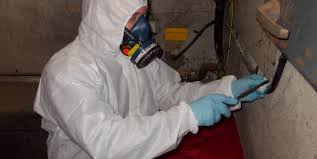
Ensuring a safe workplace is a top priority for organizations across industries. One critical aspect of workplace safety that often goes overlooked is asbestos testing. asbestos test, once widely used in building materials, poses severe health risks, including lung disease and cancer. Understanding the importance of asbestos testing and implementing preventive measures can significantly reduce these risks.
Why is asbestos testing necessary in workplaces?
Asbestos fibers, when inhaled, can lead to serious respiratory illnesses, including asbestosis, lung cancer, and mesothelioma. Workplaces, particularly older buildings, may contain asbestos in insulation, roofing, floor tiles, and ceilings. Regular asbestos testing identifies the presence of these harmful fibers, allowing management to take timely action to protect employees.
How common is asbestos exposure in workplaces?
Statistics show that workplaces constructed before the 1980s are at higher risk of containing asbestos materials. According to safety surveys, approximately 30% of older commercial buildings still have asbestos-containing materials in some form. Industries such as construction, manufacturing, and shipbuilding are particularly vulnerable, highlighting the need for routine testing and monitoring.
What methods are used for asbestos testing?
Professional asbestos testing involves collecting samples of suspected materials and analyzing them in a certified laboratory. Common methods include bulk sampling, air monitoring, and surface sampling. Bulk sampling helps identify asbestos in construction materials, while air monitoring assesses fiber levels in the workplace atmosphere, ensuring employee safety.
How often should workplaces conduct asbestos testing?
The frequency of testing depends on building age, material type, and workplace activity. High-risk environments, such as renovations or demolition projects, require immediate and thorough testing before work begins. Routine inspections are recommended every three to five years for older buildings to maintain a safe environment.
What are the legal and safety implications?
Regulatory agencies mandate asbestos management to protect employees. Failure to comply can lead to significant fines, legal action, and health risks. Implementing a structured asbestos testing program demonstrates commitment to workplace safety, reduces liability, and ensures compliance with safety regulations.
How can results of asbestos testing improve workplace safety?
Once testing identifies asbestos-containing materials, management can develop a mitigation plan. Options include professional removal, encapsulation, or ongoing monitoring to prevent fiber release. Proper communication of results and safety protocols educates employees about potential risks and preventive measures.
Are employees at risk if asbestos is present?
Exposure risk depends on the condition of the asbestos material. Intact and undisturbed materials pose minimal risk, while damaged or deteriorating materials release fibers into the air. Proper testing and management strategies reduce exposure and protect employee health.
Conclusion
Asbestos testing is an essential component of a comprehensive workplace safety program. With a focus on proactive detection, regulatory compliance, and employee education, organizations can create safe environments while minimizing health risks. Investing in regular asbestos testing not only protects employees but also safeguards organizational reputation and operational continuity.