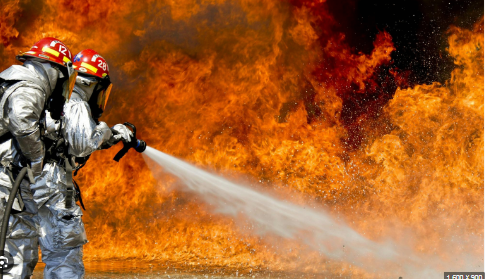
Fire watch guards are trained professionals who monitor properties, worksites, or facilities to identify and prevent potential fire hazards. Their primary responsibility is to act as a first line of defense, ensuring that any Fire Watch Guards risk is detected early and addressed promptly. By doing so, they minimize the chances of a small spark turning into a major incident.
Why is proactive fire monitoring important?
Statistics show that a significant portion of commercial and industrial fires could have been prevented with early detection and intervention. Fire watch guards provide constant surveillance, which allows them to identify unsafe conditions before they escalate. Their presence not only protects property but also ensures the safety of employees, contractors, and visitors.
Where are Fire Watch Guards typically deployed?
Fire watch guards are commonly stationed in areas with higher fire risks, including:
Construction sites where welding, cutting, or grinding operations are taking place.
Industrial facilities handling flammable materials or chemicals.
Warehouses storing combustible products.
Sites where fire alarms or sprinkler systems are temporarily offline.
Industry reports suggest that sites employing fire watch personnel experience up to 40% fewer fire incidents than those without dedicated monitoring.
What duties do Fire Watch Guards perform?
Fire watch guards carry out a variety of tasks aimed at preventing fires before they start:
Patrolling high-risk areas to detect potential hazards.
Monitoring ongoing activities that could ignite fires, such as electrical work or hot work operations.
Checking that fire extinguishers and other safety equipment are accessible and functional.
Reporting unsafe conditions to site management for immediate action.
Coordinating with emergency responders if a fire occurs.
This proactive approach ensures that risks are addressed promptly, reducing the likelihood of fire damage.
How long are Fire Watch Guards on duty?
The duration of fire watch assignments depends on the level of risk and the nature of the site. Some projects require round-the-clock monitoring, while others may only need coverage during high-risk activities. Research indicates that continuous monitoring significantly lowers fire damage costs and prevents operational interruptions.
What qualifications are required for Fire Watch Guards?
Fire watch guards undergo specialized training in fire safety, hazard recognition, and emergency response. Experience in construction, industrial, or commercial environments is often preferred, as it helps guards identify site-specific risks. They are trained to operate fire suppression equipment effectively and understand evacuation protocols to protect personnel in case of emergencies.
How do Fire Watch Guards benefit overall site safety?
Employing fire watch guards enhances both safety and operational efficiency. Facilities with dedicated fire monitoring report fewer disruptions, lower property damage costs, and increased confidence among workers. Data suggests that proactive fire prevention can save organizations substantial amounts in potential repair costs and downtime.
Conclusion
Fire watch guards play a critical role in preventing fires before they start. By providing vigilant oversight, identifying risks early, and responding swiftly, they help protect property, personnel, and operational continuity. For any organization operating in high-risk environments, investing in fire watch services is a practical and effective strategy to maintain a safe and secure workplace.