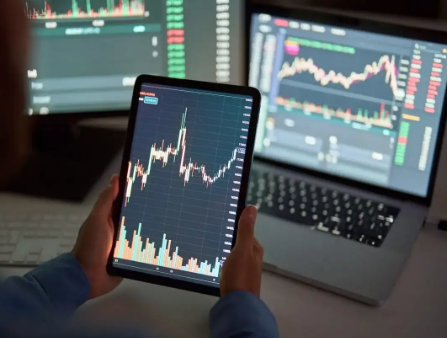
In today’s rapidly evolving financial landscape, traders increasingly rely on digital platforms to streamline decision-making and improve execution quality. A detailed tradingsphere broker reveals how modern users are evaluating features such as execution speed, interface simplicity, and analytical tools while adapting to volatile market conditions. This overview highlights the growing demand for platforms that combine reliability with transparency, offering traders both beginners and experienced participants a structured environment. As digital trading continues to expand globally, user expectations have shifted toward real-time data, mobile accessibility, and risk management features that support informed strategies. Understanding these elements helps investors assess whether a platform aligns with their long-term trading goals and risk appetite.
Top Trendings in the trading experience landscape highlight a shift toward automation, data-driven strategies, and enhanced user personalization. Traders are increasingly prioritizing platforms that offer advanced charting tools, integrated indicators, and seamless order execution. Another notable trend is the rising interest in mobile-first trading environments, allowing users to monitor markets and execute trades on the go. Security and transparency also remain key factors, with users expecting stronger data protection and clear pricing structures. Additionally, educational resources are becoming essential, helping new traders understand market behavior and develop disciplined strategies. These evolving expectations indicate that the modern trading ecosystem is becoming more user-centric and technology-driven than ever before.
Key Insights and Statistics Overview: Recent user behavior insights show that trading platform adoption is heavily influenced by usability and speed. A growing share of traders prefer interfaces that reduce complexity while maintaining advanced functionality. Market feedback suggests that analytical tools and integrated risk management features significantly improve user confidence. In addition, retention trends indicate that users remain active longer on platforms that offer consistent updates and responsive support systems. From a statistical perspective, engagement tends to increase when platforms provide real-time alerts and customizable dashboards, reflecting the importance of personalization in modern trading environments. These findings emphasize that innovation and simplicity must work together to meet evolving market demands.
FAQ Insights (User-Oriented Summary): Traders often ask what defines a strong trading platform experience. The key factors include speed, accuracy, intuitive design, and reliable analytics. Another common question relates to risk management, where users seek tools that help reduce exposure during volatile market conditions. Many also inquire about learning resources, as continuous education plays a crucial role in long-term success. Overall, the consensus suggests that platforms focusing on transparency, usability, and innovation tend to deliver better user satisfaction and sustained engagement. As trading continues to evolve, adaptability remains the core requirement for both beginners and advanced users.