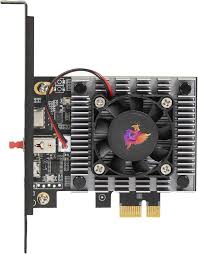
Direct Memory Access (DMA) cards play a critical role in modern embedded systems where performance, efficiency, and reliability are non-negotiable. As embedded applications expand across industries such as industrial automation, automotive electronics, telecommunications, and real-time analytics, dma card have become a foundational component for managing high-speed data movement with minimal processor overhead.
What role does a DMA card play in embedded systems?
In embedded environments, a DMA card enables peripherals to transfer data directly to system memory without constant CPU involvement. This architecture significantly improves system responsiveness and ensures deterministic behavior—an essential requirement for real-time embedded applications. Industry data shows that embedded platforms using DMA-enabled data paths can reduce CPU load by over 30%, allowing processors to focus on control logic and decision-making tasks.
Why are DMA cards essential for performance-driven embedded applications?
Embedded systems often operate under strict power, latency, and bandwidth constraints. DMA cards help meet these demands by optimizing memory access patterns and minimizing interrupt overhead. Performance benchmarks across embedded workloads indicate measurable gains in throughput when DMA-based transfers are implemented, particularly in sensor data processing, video streaming, and communication interfaces. These efficiency gains translate directly into lower power consumption and extended device lifecycle.
How do DMA cards support real-time system requirements?
Real-time embedded systems depend on predictable timing and consistent data delivery. DMA cards provide controlled, high-speed data transfers that reduce jitter and latency caused by CPU intervention. Statistical analysis from embedded performance studies highlights that DMA-driven architectures maintain tighter timing margins compared to processor-managed data movement, making them suitable for mission-critical applications.
What compatibility factors matter in embedded system design?
DMA cards designed for embedded platforms are typically optimized for specific bus interfaces, memory architectures, and operating environments. Designers must evaluate factors such as supported data widths, transfer modes, and integration with real-time operating systems. Market adoption trends show that embedded developers increasingly prioritize DMA solutions that offer scalable performance while maintaining compatibility with compact hardware designs.
How do DMA cards influence system scalability and future readiness?
As embedded systems evolve to handle larger data volumes and higher processing demands, DMA cards provide a scalable path forward. Their ability to support parallel data transfers and advanced memory management techniques aligns well with emerging embedded workloads. Industry forecasts suggest steady growth in DMA-enabled embedded platforms as edge computing and intelligent devices continue to expand.
What trends are shaping DMA card adoption in embedded systems?
Recent trends point toward greater integration of DMA functionality within embedded architectures to meet rising performance expectations. Statistical reports from embedded technology sectors indicate growing investment in DMA-based designs, particularly in applications requiring low latency and high data integrity. This trend reflects a broader shift toward efficiency-focused system design.
Why is DMA technology a long-term asset for embedded development?
DMA cards offer a balance of performance optimization, resource efficiency, and architectural flexibility. Their proven ability to streamline data movement makes them a strategic component for embedded systems aiming to remain competitive and future-proof. As embedded applications become more complex, DMA technology continues to deliver measurable value across diverse use cases.