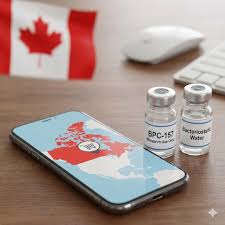
The global wellness and research community has seen a noticeable rise in interest around peptide-based recovery compounds, with online forums, academic discussions, and wellness blogs increasingly focusing on experimental regenerative approaches. Over the past few years, athletes, biohackers, and researchers have contributed to a growing digital footprint analyzing recovery mechanisms, tissue repair pathways, and performance optimization strategies. Within this evolving landscape, bpc157 has become one of the most frequently discussed topics in regenerative health conversations, particularly across niche scientific communities and wellness tracking platforms. The compound is often referenced in relation to early-stage laboratory research exploring healing processes, though interpretations vary widely depending on the source and context. As discussions expand, so does the demand for clearer scientific understanding and evidence-based evaluation.
Statistically, search interest for peptide-related recovery topics has shown consistent upward momentum, especially in regions with active fitness and longevity communities. Online analytics indicate increased engagement in queries related to muscle recovery, tendon repair, and cellular regeneration frameworks. While enthusiasm is high, experts frequently emphasize that much of the current information remains preliminary, with most findings derived from preclinical or animal-based studies rather than large-scale human trials. This distinction is crucial in separating scientific curiosity from clinically validated applications, helping readers interpret trends responsibly rather than assume established medical consensus.
Another notable trend is the diversification of discussion platforms. Previously concentrated in specialized research forums, conversations are now spreading across mainstream wellness blogs, social media groups, and educational content hubs. This broader exposure has led to both increased awareness and misinformation risks, making critical evaluation more important than ever. Many contributors now stress the importance of sourcing information from peer-reviewed literature and verified scientific publications when assessing regenerative compounds and their potential applications.
From a statistical perspective, engagement metrics show that interest peaks often correlate with broader health optimization trends, including longevity research, athletic recovery innovation, and anti-aging discussions. However, experts consistently highlight that regulatory status varies significantly across countries, and many compounds discussed in online spaces are not approved for general medical use. This regulatory variability reinforces the need for careful interpretation of claims and responsible consumption of information.
Frequently asked patterns in these discussions include questions about mechanism of action, comparative effectiveness with other recovery approaches, and long-term safety profiles. While curiosity continues to grow, the scientific community generally agrees that more controlled human studies are required before definitive conclusions can be made. Until then, most insights remain observational or theoretical in nature, contributing to ongoing but cautious exploration.
In summary, the expanding global conversation around regenerative health reflects a broader shift toward personalized wellness and experimental recovery science. As interest continues to rise, the importance of evidence-based education and critical thinking becomes central to understanding where emerging research stands today and where it may lead in the future.