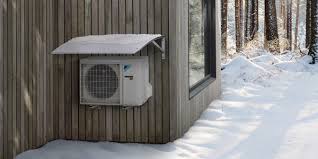
Air source heat pumps are becoming a popular choice for multi-family properties looking to reduce energy costs and environmental impact. But how exactly do these systems work when serving multiple units at once?Unlike traditional heating systems that burn fuel, air source heat pumps transfer heat from outside air into buildings. Even when it feels Air source heat pump (Luftvärmepump), there’s still thermal energy in the air that these pumps can extract and use for heating. During warmer months, the process reverses to provide cooling.
The Basic Operation
Air source heat pumps consist of an outdoor unit and indoor components. The outdoor unit contains a fan that draws in air and passes it over coils filled with refrigerant. This refrigerant absorbs heat from the air, even in temperatures as low as -15°F. The heated refrigerant then travels to indoor units where it releases warmth into individual apartments or common areas.
The system uses a compressor to increase the temperature of the refrigerant before it enters the building. This means even modest outdoor temperatures can generate significant indoor heating. A single outdoor unit can often serve multiple indoor units, making it practical for apartment buildings and condominiums.
Why Multi-Family Properties Choose Heat Pumps
Recent data shows that heat pumps can reduce heating costs by 30-40% compared to electric resistance heating. For property owners managing dozens or hundreds of units, these savings add up quickly.
Installation flexibility is another advantage. Property managers can choose between central systems that serve the entire building or individual units for each apartment. This allows residents to control their own heating and cooling, which many tenants prefer.
Heat pumps also qualify for various tax incentives and rebates, making the initial investment more affordable. Some utility companies offer additional discounts for multi-family properties that switch to heat pump technology.
Common Questions About Heat Pumps in Apartments
Do heat pumps work in cold climates?
Modern cold-climate heat pumps function efficiently in temperatures well below freezing. They can extract heat from air as cold as -15°F, though efficiency does decrease in extreme cold.
Can each apartment control its own temperature?
Yes, with ductless mini-split systems, each unit gets its own thermostat. This gives residents individual control while still benefiting from the efficiency of heat pump technology.
What about noise levels?
Today’s air source heat pumps operate quietly. The outdoor unit produces about 40-60 decibels, similar to a normal conversation. Indoor units are even quieter.
How long do these systems last?
With proper maintenance, air source heat pumps typically last 15-20 years. This lifespan is comparable to traditional HVAC systems.
Making the Switch
For multi-family property owners considering air source heat pumps, the technology offers a compelling combination of cost savings, tenant comfort, and environmental benefits. The systems require less maintenance than traditional boilers and can significantly reduce a building’s carbon footprint. As energy codes become stricter and tenants increasingly value sustainability, heat pumps represent a forward-thinking investment in property infrastructure.