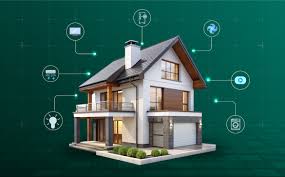
What is a smart home?
A smart home refers to a residence equipped with internet-connected devices that allow homeowners to control, automate, and monitor various systems remotely. From lighting and heating to security cameras and appliances, Smart home technology integrates daily living tasks into a seamless, efficient experience.
How does smart home technology improve energy efficiency?
Smart home systems optimize energy consumption by adjusting lighting, temperature, and appliance usage based on real-time conditions. For example, thermostats can learn your daily routine and reduce heating or cooling when rooms are unoccupied. Similarly, automated lighting ensures that electricity is only used when necessary. These features not only reduce utility bills but also support environmentally conscious living.
Are smart homes secure?
Security is a top priority for smart home technology. Modern systems often include cameras, motion sensors, and smart locks that can be monitored from a mobile device. Alerts notify homeowners immediately if unusual activity is detected. Many systems also offer encryption and multi-factor authentication, providing an extra layer of protection against potential cyber threats.
What convenience does a smart home offer?
The convenience of a smart home lies in its automation capabilities. Voice-controlled assistants can manage lights, adjust temperature, or even play music without manual effort. Scheduling features allow homeowners to program devices to operate at specific times, while remote access ensures control from anywhere in the world. For busy households, these capabilities can save hours of daily tasks, enhancing comfort and lifestyle quality.
How does a smart home support wellness and health?
Beyond convenience, smart home technology can improve well-being. Devices like air purifiers, smart lighting, and climate control systems contribute to better indoor air quality and optimal sleep environments. Sensors can track movement and activity, helping seniors or those with health conditions maintain safety. The integration of wellness-focused technologies highlights the growing role of smart homes in holistic living.
Is installing smart home technology expensive?
The cost of smart home devices has decreased significantly in recent years, making them accessible to a wider audience. While initial setup may vary depending on the number of devices, many systems are modular, allowing homeowners to gradually upgrade their homes. The long-term savings from energy efficiency and maintenance often offset upfront expenses, making smart homes a financially viable investment.
What’s next for smart home innovation?
The future of smart homes points toward even more personalized and intuitive experiences. Artificial intelligence and machine learning will enhance predictive capabilities, enabling homes to anticipate needs before they arise. Interconnectivity between devices will continue to grow, creating ecosystems that seamlessly adapt to residents’ lifestyles.
With these innovations, the concept of a smart home is no longer a futuristic idea—it’s becoming an integral part of modern living, blending convenience, security, and sustainability into everyday life.